 REVIVE YOURSELF SHOP

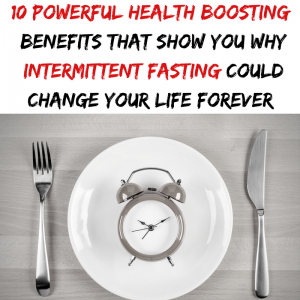
Intermittent Fasting has been a topic that over the years I’ve always been asked about, but nowadays with it’s popularity sky rocketing I get questions about it almost daily, so I thought I’d write and article that explains the pros, the cons and the in-betweens of Intermittent Fasting.
I want to start off by saying that personally, ever since I started Intermittent Fasting a few years ago I’ve noticed that my health has improved on many different levels, and all without even trying as hard as I used to.
I’m leaner, I have more lean muscle, I have a clearer mind, my energy levels have increased and my skin is clearer.
This boost in health has led to an increase in confidence and performance too. It literally has been life changing. And 95% of my clients would agree with me here too.
But this doesn’t mean Intermittent Fasting is for everyone.
That being said, Intermittent Fasting benefits more than just your waistline; it also helps to heal your body at a cellular level, stabilise blood sugar levels, reduce inflammation, and keep your heart healthy.
There are a variety of approaches to intermittent fasting and many studies backing the multitude of benefits to your health.
You can fast for just a few hours each day or you can skip meals for two days each week. Intermittent fasting can be an easy way to simultaneously improve your health and achieve your weight loss goals.
So What Is Intermittent Fasting?
Intermittent fasting, which is also known as cyclic fasting, has risen in popularity in recent years as more and more research emerges discovering new intermittent fasting benefits.
However, intermittent fasting is hardly a new concept. It’s been used for centuries during times when food was scarce and it even plays a central role in many major religions.
In fact, once a year, Muslims observe Ramadan, a month of fasting from dawn until sunset.
It’s difficult to define intermittent fasting as there’s not just one correct method for how to fast. In fact, there are many different variations of intermittent fasting that are used around the world.
The most common types of intermittent fasting include:
• Alternate-Day Fasting: This entails eating only every other day. On fast days, some eat no food at all and others eat a very small amount, typically around 500 calories.
• 16/8 Fasting: The most popular method. For this method, you fast for 16 hours a day and limit your eating to eight hours. Most often, this simply involves not eating anything after dinner and skipping breakfast the next morning.
• 5:2 Diet: For five days of the week, you eat normally. For the remaining two days, you should restrict your caloric intake to between 500–600 calories daily.
• The Warrior Diet: This diet involves eating only fruits and vegetables during the day and then eating one large meal at night.
• Eat-Stop-Eat: Pick one or two days out of the week and fast for 24 hours, eating nothing from dinner one day until dinner the next day. On the other days, you should eat normally.
Who Should Avoid Intermittent Fasting
Before we get into the benefits of Intermittent Fasting I want to talk about who shouldn’t be doing it, because although intermittent fasting benefits many different aspects of health, it may not be ideal for everyone and some people may actually want to avoid Intermittent Fasting.
Anybody who is toxic should avoid fasting or intermittent fasting until they are healthy. Fasting has many benefits but it can also be dangerous for people who are internally toxic and it may push you into a deep healing crisis. Many people who go cold turkey experience, severe headaches, vomiting, dizziness, cravings, skin rashes or blisters, lethargy as well as being insomnia. This leads to them having to stop the process and often turns them back to their old ways and poor diet.
This is why I alway recommend working with somebody who is experienced in putting people through this process.
So, if you have been doing one or more of the list below you should wait until you have rebalanced your body internally before trying intermittent fasting.
Avoid fasting:
⁃ If you are on medication
⁃ If you have a diet rich in processed and refined food
⁃ If you are a regular smoker
⁃ If you consume alcohol more than 2/3 times a week
⁃ If you consume coffee daily
⁃ If you consume sugar laden foods daily
⁃ If you eat GMO or conventional produce daily
You should also avoid fasting if you suffer from low blood sugar, for example, going without eating all day may lead to dangerous drops in blood sugar causing symptoms like shakiness, heart palpitations and fatigue. If you have diabetes, it’s best to work with your doctor to determine if intermittent fasting is right for you.
If you have a history of eating disorders, this may also not be ideal for you as it may encourage unhealthy behaviours and trigger symptoms. If you are a child or teenager and still growing, intermittent fasting is not recommended either.
Intermittent fasting for women?
Of course, those who are pregnant should also avoid intermittent fasting and focus instead on a nutritious diet rich in vitamins and minerals. And certain women may encounter hormone issues if they intermittent fast for days on end — they may benefit from intermittent fasting only a few days a week rather than every day, for example.
Additionally, if you have gallstone disease, fasting may actually increase the risk of gallbladder problems and should be avoided.
Finally, studies show that fasting may alter the levels of your thyroid hormones. If you suffer from any thyroid issues, you may want to reconsider intermittent fasting to avoid alterations in these important hormones.
If you’re physically active, intermittent fasting and working out is okay. While you can exercise during fast days, don’t push yourself too hard and remember to drink plenty of water.
If you’re fasting for longer than 72 hours, however, it’s advisable to limit physical activity.
Myths
Intermittent fasting will push your body into starvation mode
This simply isn’t true. In fact studies have shown that you have to fast for at least 72 hours for your metabolism to drop even 10%.
You need to eat every 2-3 hours to keep the metabolism high and the body burning fat. Really, you have to eat every 2-3 hours to burn fat? Hmmm. Let’s have some common sense here guys and girls. If you are looking for science to back this claim up the research below alone on how Leptin and Human Growth Hormone are impacted by intermittent fasting shows this isn’t true. The only people that truly benefit from you eating 3 meals and 3 snacks a day are the food and agricultural companies whose pockets you’re lining.
Skipping Breakfast Is Bad For You, It’s The Most Important Meal Of The Day
Apart from the fact research shows once again this is nonsense, who said breakfast had to be between the hours of 7am-9am? When you break the word breakfast down into it’s two parts – break – fast – it literally means to break your fast. I choose to this at around 1pm-2pm each day. There is no rule saying you have to do this when you wake up. Sure you may feel hungry, but hunger is a good thing, it just tells me your digestion in working properly. When you wake up instead of reaching for some food, drink some water with lemon, followed by a herbal tea and watch that hunger disappear.
The 10 Powerful Benefits of Intermittent Fasting
1. Autophagy
Autophagy (or autophagocytosis) (from the Ancient Greek autóphagos, meaning “self-devouring”[1] and kýtos, meaning “hollow”) is the natural, regulated, destructive mechanism of the cell that disassembles unnecessary or dysfunctional components. By activating your body’s autophagy process, you dampen inflammation, slow down the aging process, and optimise biological function.
Your cells create membranes that hunt out scraps of dead, diseased, or worn-out cells; gobble them up; strip them for parts; and use the resulting molecules for energy or to make new cell parts. Dr. Colin Champ, a board-certified radiation oncologist and assistant professor at the University of Pittsburgh Medical Center explains it thus: ”Think of it as our body’s innate recycling program. Autophagy makes us more efficient machines to get rid of faulty parts, stop cancerous growths, and stop metabolic dysfunction like obesity and diabetes.”
In layman’s terms, by giving your digestive tract a rest and abstaining from food for 12 hours your body begins a process where it starts to clean house. It does this by replacing all the dead, decaying diseased cells with younger, healthy, new cells. Think of it like giving your body a spring clean every day.
2. Improves Blood Sugar
When you eat, carbohydrates are broken down into glucose (sugar) in your bloodstream. A hormone called insulin is responsible for transporting the glucose out of the bloodstream and into the cells where it can be used up as energy.
Insulin doesn’t always work effectively when you have diabetes, which can result in high blood sugar levels coupled with symptoms like fatigue, thirst and frequent urination.
Some studies have found that intermittent fasting benefits your blood sugar levels by keeping them well-regulated and preventing spikes and crashes.
In one study, participants with diabetes fasted an average of 16 hours daily for two weeks. Not only did intermittent fasting cause weight loss and a decrease in caloric intake, but it also helped significantly reduce blood sugar levels.
Another study showed that fasting decreased blood sugar by 12 percent and also lowered insulin levels by nearly 53 percent. Preventing a build-up of insulin allows it to work more efficiently and keeps your body sensitive to its effects.
3. Keeps Your Heart Healthy
One of the most impressive intermittent fasting benefits is its favourable effect on heart health. Studies show that intermittent fasting can help keep your heart healthy by lowering certain heart disease risk factors.
In one study, fasting was shown to influence several components of heart health. It increased good HDL cholesterol and decreased both bad LDL cholesterol and triglyceride levels.
One animal study in the Journal of Nutritional Biochemistry showed that intermittent fasting caused an increase in levels of adiponectin. Adiponectin is a protein involved in the metabolism of fat and sugar that may be protective against heart disease and heart attacks.
In fact, in one study, rats who fasted every other day were nearly 66 percent more likely to survive a heart attack than those on a normal diet.
4. Reduces Inflammation
Inflammation is a normal immune response to injury. Chronic inflammation, on the other hand, can lead to chronic disease. Some research has even linked inflammation to conditions like heart disease, diabetes, obesity and cancer.
A study published in Nutrition Research followed 50 individuals observing Ramadan and showed that they had decreased levels of some inflammatory markers during Ramadan fasting. Another study in 2015 found that a longer duration of nighttime fasting was associated with a decrease in markers of inflammation.
While more research is needed, these studies provide promising evidence showing that intermittent fasting may help reduce inflammation and fight off chronic disease.
5. Promotes Weight Loss
One of the major intermittent fasting benefits is its ability to rev up fat burning and help the pounds slide off. In fact, many people prefer intermittent fasting to traditional diets because it doesn’t require you to meticulously measure your foods and track the calories and grams consumed.
Intermittent fasting results can increase fat burning and fast weight loss by forcing your body to use up fat stores as fuel. When you eat, your body uses glucose (sugar) as its primary source of energy and stores whatever is left over as glycogen in your muscles and liver.
When you don’t give your body a steady stream of glucose, it begins breaking down the glycogen to use as fuel. After the glycogen has been depleted, your body seeks out alternative sources of energy, such as fat cells, which it then breaks down to help power your body.
This is similar to the ketogenic diet, in which you deprive your body of carbohydrates and force it to use up stored fat for energy.
A 2015 review looked at the effects of alternate-day fasting on body composition and found that, on average, it slashed body weight by up to 7 percent and cut body fat by up to 12 pounds. Whole-day fasting led to similar results, but with up to a 9 percent reduction in body weight. It’s less clear what whole-day fasting does to your valuable muscle stores.
Another study focused on the 16/8 method of intermittent fasting showed that it significantly reduced fat mass while retaining both muscle mass and strength. This fact is why I recommend this style of intermittent fasting the most.
6. Protects Your Brain
In addition to keeping your heart healthy and warding off disease, some studies have found that intermittent fasting could also protect the health of your brain.
One animal study showed that intermittent fasting enhanced cognitive function and protected against changes in memory and learning function compared to a control group. Another animal study found that intermittent fasting helped protect the brains of mice by influencing certain proteins involved in brain aging.
Additionally, the anti-inflammatory effects of intermittent fasting may also help slow the progression of disorders like Alzheimer’s disease.
7. Decreases Hunger
Leptin, also known as the satiety hormone, is a hormone produced by the fat cells that helps signal when it’s time to stop eating. Your leptin levels drop when you’re hungry and increase when you’re feeling full.
Because leptin is produced in the fat cells, those who are overweight or obese tend to have higher amounts of leptin circulating in the body. However, too much leptin floating around can cause leptin resistance, which makes it harder for it to effectively turn off hunger cues.
One study with 80 participants measured leptin levels during intermittent fasting and found that levels were lower at night during the fasting period.
Lower levels of leptin could translate to less leptin resistance, less hunger and potentially even more weight loss.
8. Rise In Human Growth Hormone
Studies have shown that Intermittent Fasting can increase Human Growth Human by up to 5 times, and by as much as 1000% in people who undertake weight training. Human Growth Human is the hormone responsible for fat loss and muscle preservation. So by increasing it’s production you will have a leaner more muscular physique.
9. You Burn More Fat
Fasting leads to a rise in norepinephrine in the blood. The more norepinephrine in the blood the more fat there is made available to burn. The more fat there is available to burn leads to having a leaner, healthier physique.
10. It’s Easy
When most people are looking to lose weight or drop fat they head to the gym or start running. Either way the begin to punish their bodies with gruelling exercises that their bodies aren’t ready for. You can see in these peoples faces the pain they are going though when they are doing heavy squats or performing intervals on the rowing machine. IN contrast Intermittent Fasting is easy. All you have to do is keep you mouth shut. No squat bars to get under, and no rowing machine to climb on. It really is that simple.
Bonus
11. It Can Regenerate The Immune System
Fasting for 3 days has been shown to completely regenerate the immune system. So if you are someone who is constantly ill then this could be something for you to consider.
Best Way to Intermittent Fast
As described above, there are many types of intermittent fasting with different options that can fit any schedule or lifestyle. It’s best to experiment and find the one that works best based on your individual needs.
For beginners, the easiest starting point is the intermittent fasting 16/8 method, a form of time-restricted eating (I will be doing a video on this). This typically just involves skipping your evening snack after dinner and skipping breakfast the next morning as well.
If you don’t eat anything between 8 p.m. and 12 p.m. the next day, for instance, you’ve already fasted for 16 hours.
Keep in mind that intermittent fasting should be viewed as a change in lifestyle rather than a diet. Unlike typical diets, there’s no need to count points or calories or plug your foods into a food diary each night.
To reap the most intermittent fasting benefits, make sure to focus on filling your diet with healthy organic whole foods during the days that you do eat to squeeze as many nutrients as possible into your day.
Additionally, always listen to your body. If you feel weakness or fatigue when you go an entire day with no food, try increasing your intake a bit and have a light meal or snack.
Alternatively, try out one of the other methods of intermittent fasting and find what works for you.
Summary
If you’re looking for a way to keep your body lean and healthy on a daily basis then intermittent fasting is a great way to go.
If you want an easy way to kick up fat burning and weight loss intermittent fasting may be right for you.
In addition to increasing weight loss and fat burning, other benefits of fasting include regulating blood sugar, protecting your brain, keeping your heart healthy, increasing human growth hormone, Autophagy and reducing inflammation.
There are many types of intermittent fasting to choose from, with variations that can fit into any lifestyle.
Intermittent fasting may not be a good fit for everyone, especially those suffering from certain health conditions. However, for many people, it can be an excellent addition to an otherwise healthy lifestyle.
Health & Happiness
Ryan
P.S. If you have been struggling with your own health issues and would like to see if or how we could help you then click the link here, fill out the form and Ryan or one of the team will be in touch as soon as possible.
This is a useful & informative article!
Thank you for putting it together Ryan!
Love & Light Tania. 😊